Grubhub · 2018–2019 · Case Study
After an unsatisfactory year-end review cycle in 2019, it was clear that the design org had a structural problem: team members and managers didn't share a common understanding of what "good" looked like at each level. We fixed that by building a comprehensive growth guide from scratch, and the results showed up in promotions, satisfaction, and org-wide adoption.
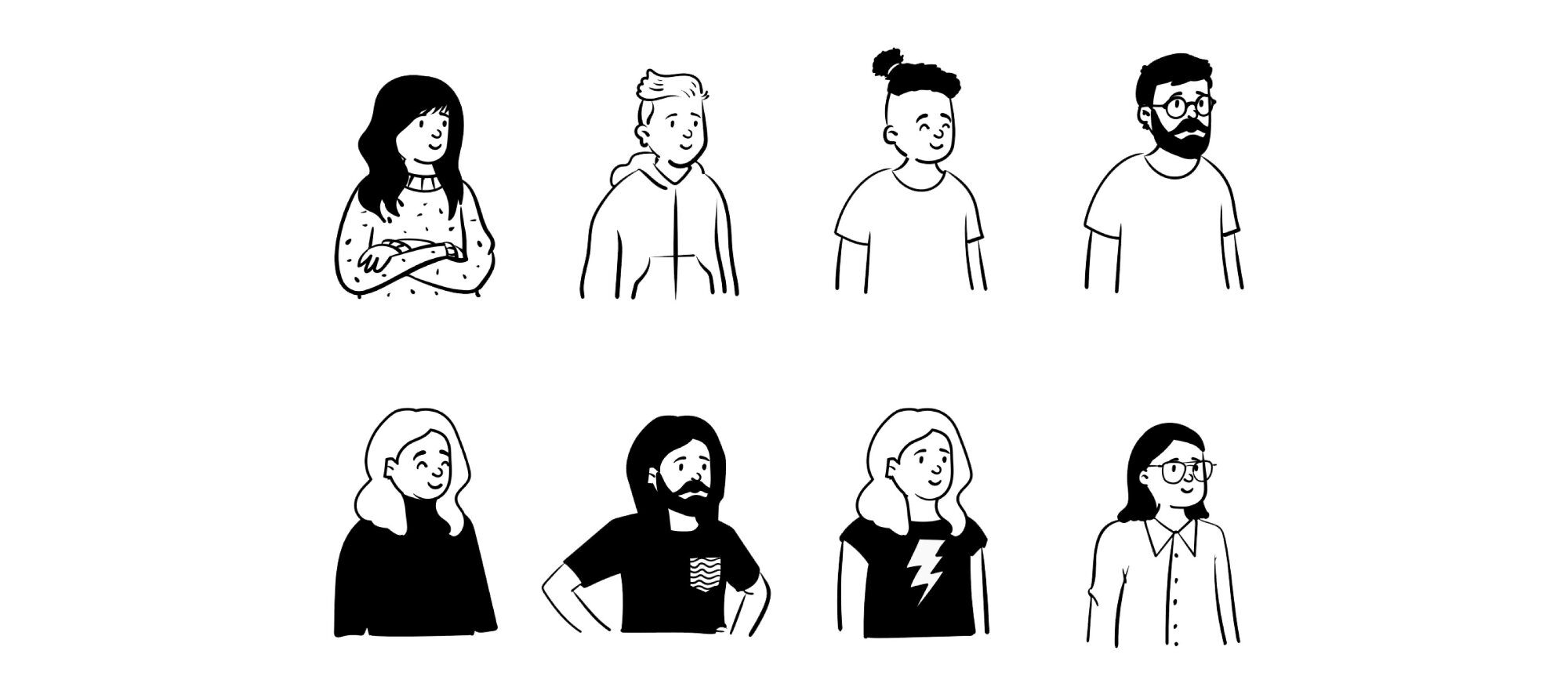
Fig 1: The restaurant experience design team at Grubhub · 2018–2019
Context
My restaurant experience team sat within a larger Grubhub design organization (senior and mid-level product designers, plus indirect management of user research and content strategy). The team was capable and motivated. But after the 2019 year-end review cycle, a pattern emerged that was hard to ignore.
Three things were consistently true across the team:
"After an unsatisfactory 2019 year-end review cycle, I worked with our VP of Design and decided it was time to create more consistent leveling criteria across the organization."
The Opportunity
How might we create a comprehensive design leveling guide that provides clarity, consistency, and visibility around team evaluations?
How might we better support more senior team members as their responsibilities become increasingly abstract?
The second question was the harder one. Junior and mid-level roles are easier to define: the work is concrete. As designers grow into senior and staff levels, the expectations become less about execution and more about influence, communication, and strategic impact. Those things are harder to articulate, which is exactly why they tend to stay fuzzy.
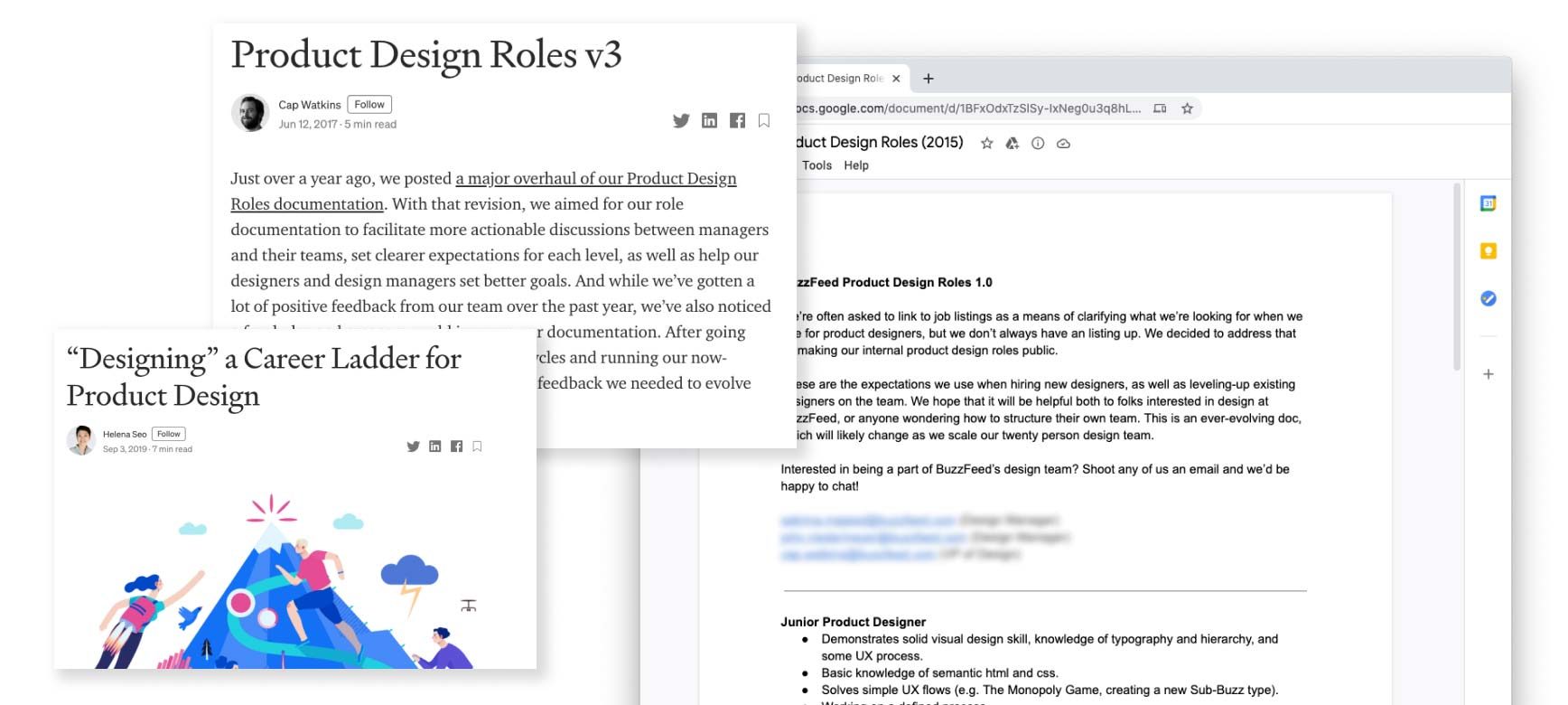
Fig 2: Pulling together outside insights on how leading design orgs structure career frameworks and leveling criteria
Research & Benchmarking
Before writing a single expectation, we benchmarked how other design organizations evaluated their teams. We wanted the growth guide to reflect industry-level expectations, not just internal preferences, so that it would feel credible to designers who had experience at other companies and hold up against external hiring benchmarks.
The research converged on three guiding principles:
A good leveling guide gives people clarity without boxing them in. It should answer "am I on track?" without dictating exactly how to get there. Prescriptive criteria create gaming behavior, where designers optimize for the rubric instead of actual growth.
Knowing what a role requires isn't the same as knowing how to get there from where you are. The guide needed to make the in-between legible: what does growth actually look like over the next 6 to 12 months?
A guide that only managers use isn't a growth tool: it's an evaluation tool. Including a worksheet component for individual self-reflection gave designers ownership of their own development, and made 1:1 conversations more productive.
The Work
Speed to the next review cycle was a real constraint. We needed something in designers' hands before mid-year reviews, which meant shipping something good quickly over waiting to build something perfect.
The process: map out the key responsibilities of each role group across the design organization, identify core competencies that scaled from IC to senior to staff, define what "meeting expectations" and "exceeding expectations" looked like at each level, and build a self-assessment worksheet alongside the criteria.
We shipped it as a Google Doc. Intentionally. It was accessible, shareable, easy to update, and didn't require engineering resources to launch. The spreadsheet format for the self-assessment worksheet turned out to work well: concrete, structured, and easy to fill out ahead of a 1:1.
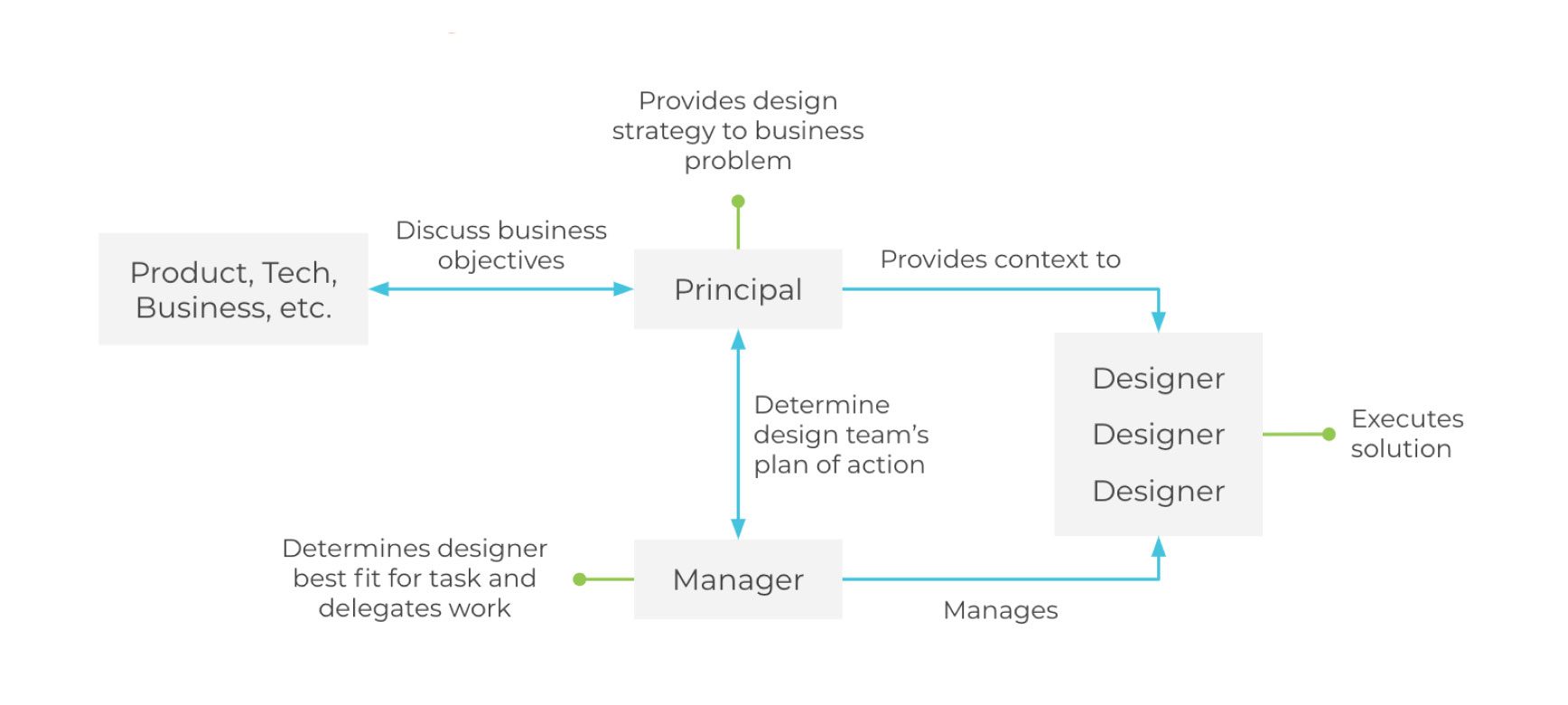
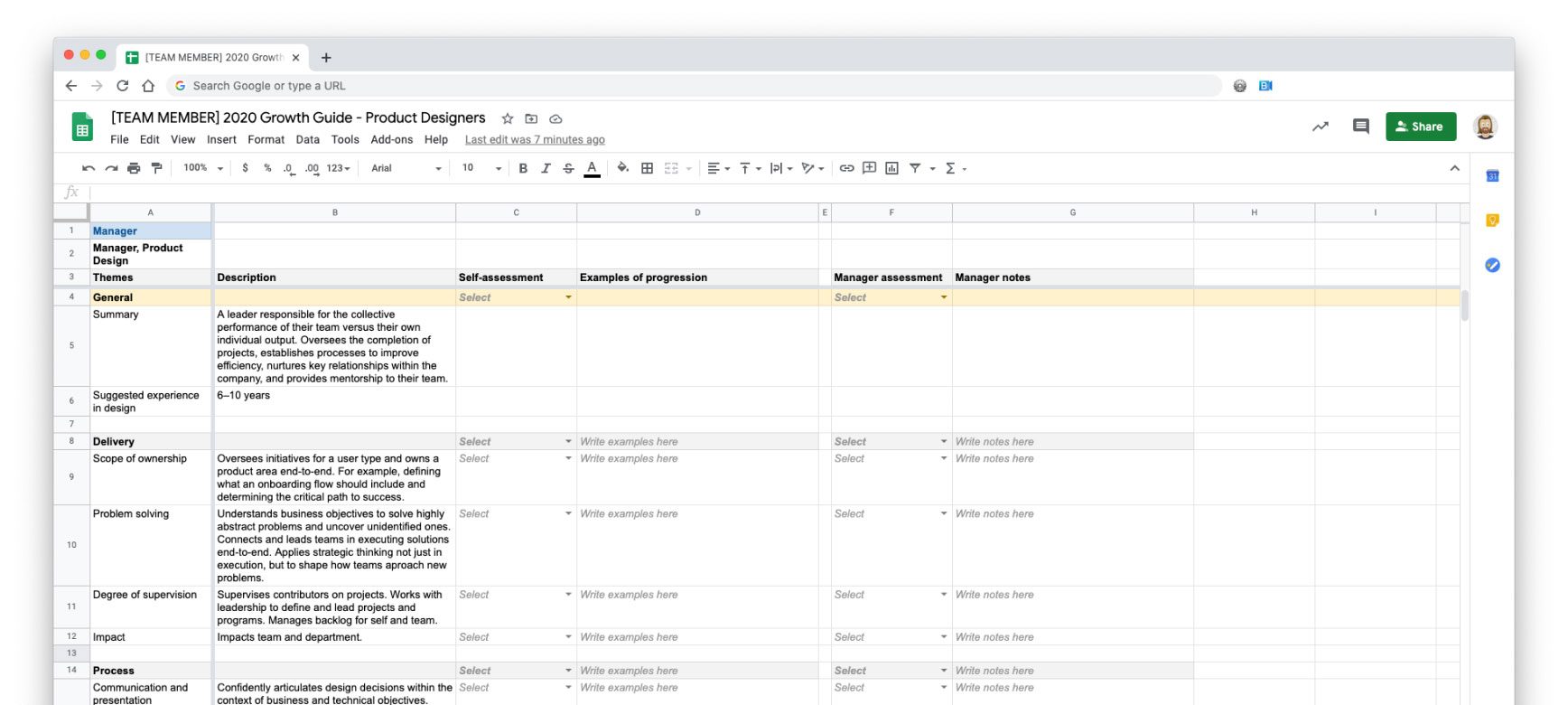
Fig 3: Role mapping workflow and the growth guide solution structure
Results
After running the growth guide through a mid-year and year-end review cycle, the improvements were clear, not just in numbers, but in the quality of conversations between managers and their reports.
80%
Of designers hit or exceeded their growth guide goals in 2020
Org-wide
Adoption: adapted by other leaders across product org
Clear
Promotion readiness: individuals had explicit expectations before reviews
The org-wide adoption was the most meaningful signal. The growth guide wasn't mandated to other teams: it spread because it worked. Leaders across the product organization adapted it to their own team contexts, which meant the original framework was sound enough to generalize beyond the restaurant design team it was built for.
What's Next